
Introduction
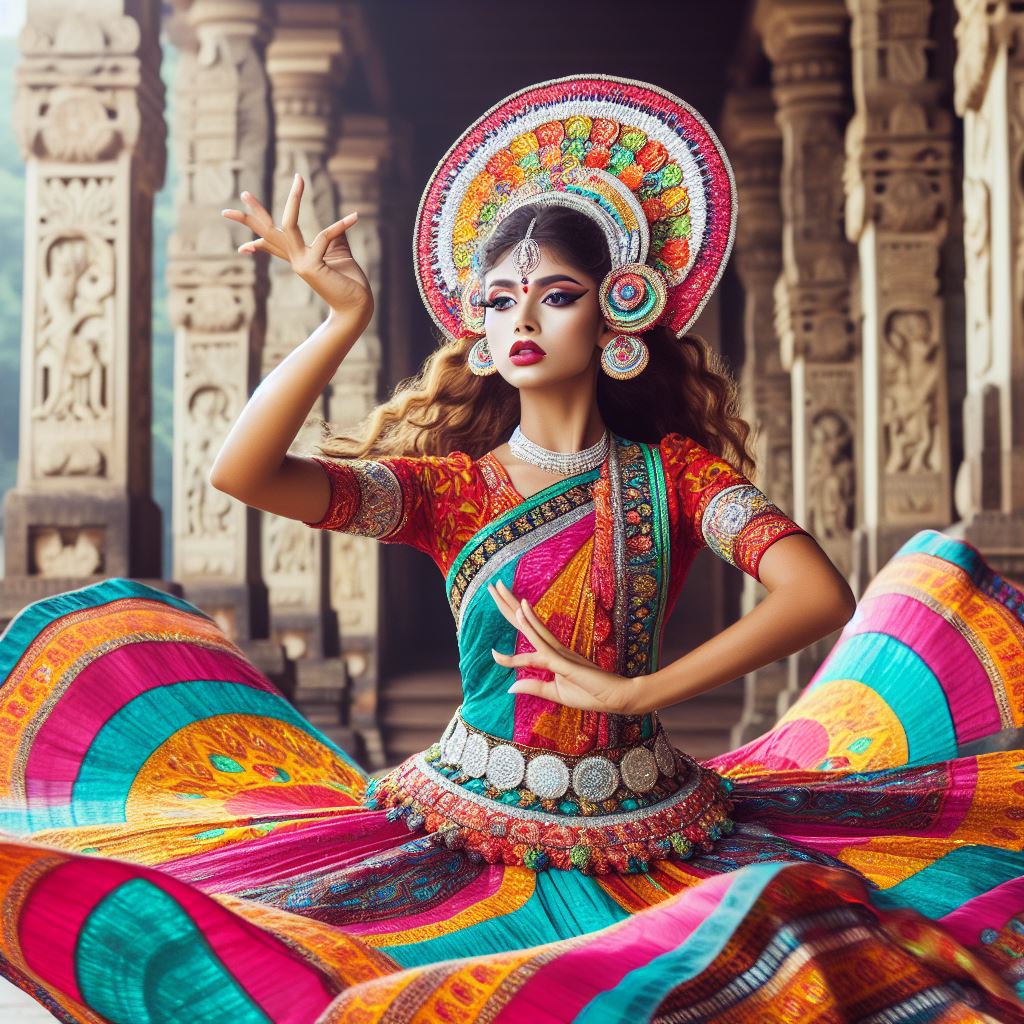
In the heart of the teardrop-shaped island of Sri Lanka lies a vibrant cultural tapestry woven with traditions that have withstood the test of time. Among these treasures is the captivating art of traditional Sri Lankan dancing, a graceful and expressive form of cultural heritage that embodies the spirit and soul of the island nation. In this blog post, we’ll delve into the rich history, significance, and beauty of traditional Sri Lankan dance forms, celebrating their enduring legacy.

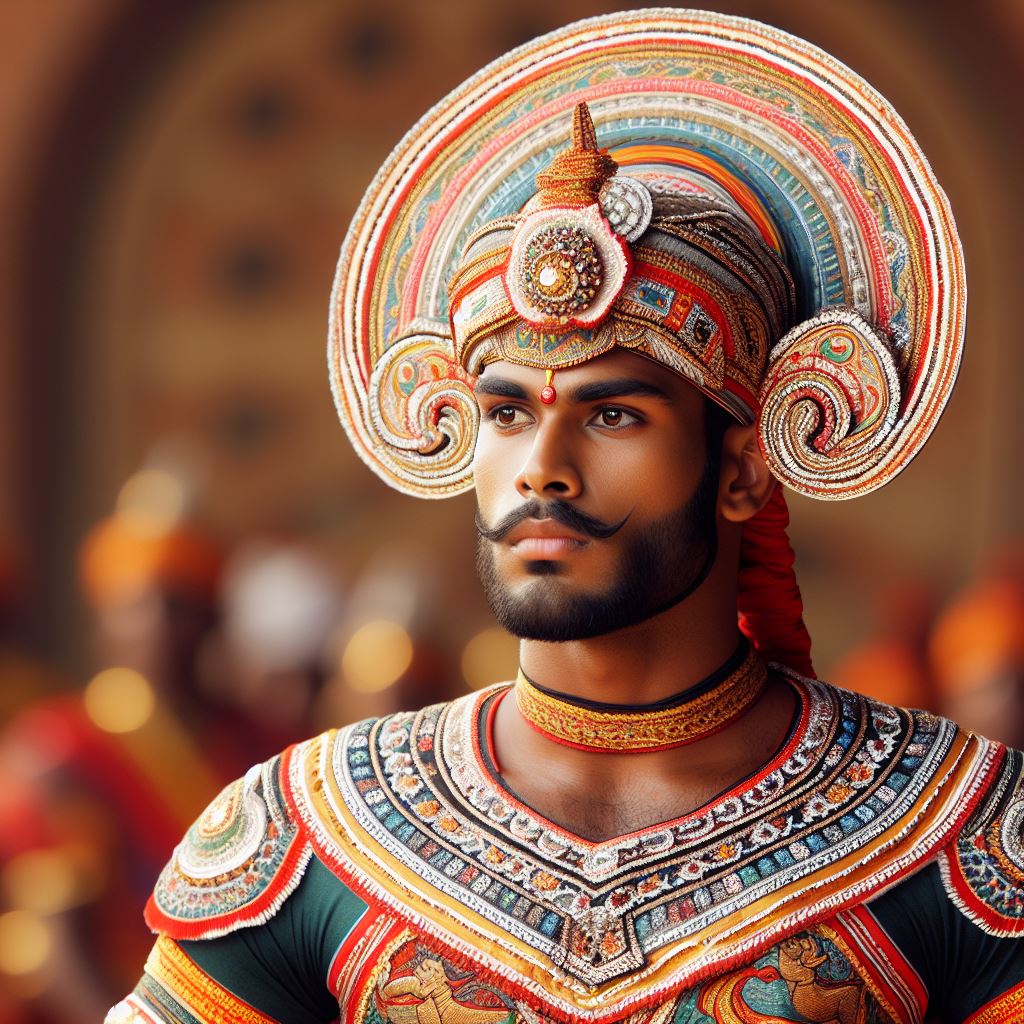

The Story Behind Traditional Sri Lankan Dancing: Rooted in the island’s ancient history, Sri Lankan dancing has evolved over centuries, blending influences from indigenous rituals, religious practices, and cultural exchanges with neighboring regions. Dating back to the time of the island’s early kingdoms, dance was not merely a form of entertainment but an integral part of religious ceremonies, royal celebrations, and folk rituals.
One of the most renowned traditional dance forms in Sri Lanka is Kandyan dance, originating from the kingdom of Kandy in central Sri Lanka. It is characterized by its elaborate costumes, intricate footwork, and rhythmic drumming. Kandyan dance is often performed during ceremonial occasions such as the Esala Perahera, a grand festival honoring the Sacred Tooth Relic of the Buddha.

Another prominent dance style is Low Country dance, prevalent in the coastal regions of Sri Lanka. Low Country dance, also known as Sabaragamuwa dance, features fluid movements and vibrant costumes adorned with intricate beadwork and embroidery. This dance form often accompanies rituals and festivities associated with agricultural traditions and harvest seasons.
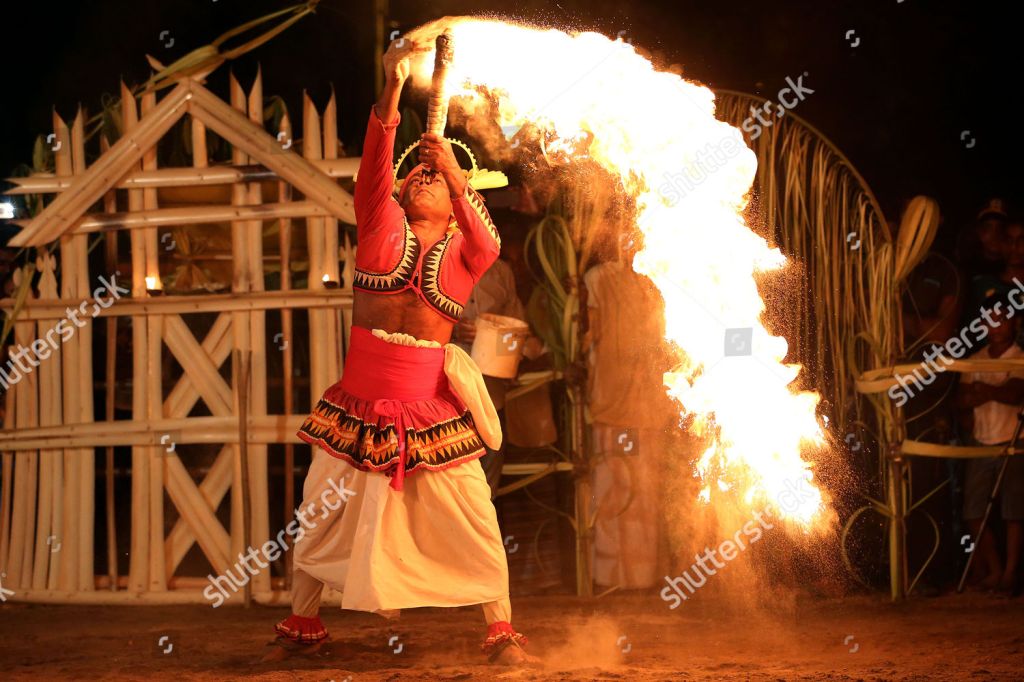
In addition to Kandyan and Low Country dance, Sri Lanka boasts a diverse array of folk dances, each reflecting the unique cultural heritage of different regions and ethnic communities. From the energetic rhythms of the Thelme dance to the graceful movements of the Udarata Natum, these folk dances celebrate the diversity and unity of Sri Lanka’s cultural mosaic.
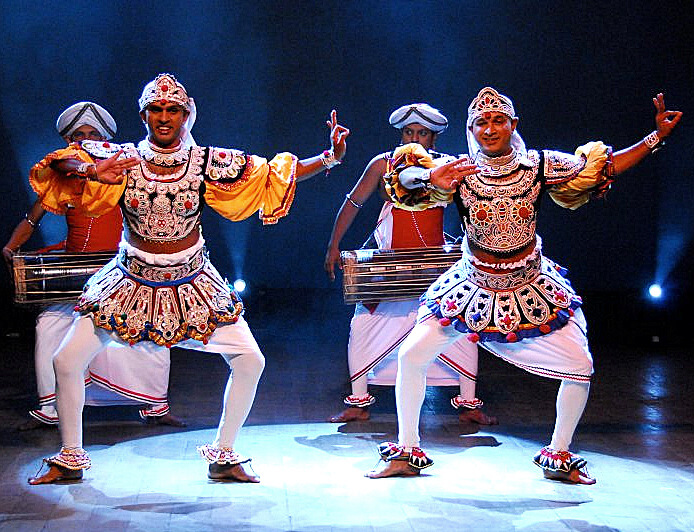
Significance and Symbolism: Traditional Sri Lankan dancing is more than just a form of artistic expression; it serves as a means of preserving and transmitting cultural heritage from one generation to the next. Through intricate hand gestures, rhythmic footwork, and expressive facial expressions, dancers convey narratives inspired by mythology, folklore, and everyday life.
Moreover, Sri Lankan dance forms often carry deep symbolic meaning, representing aspects of nature, spirituality, and social hierarchy. For example, the peacock dance, symbolizing beauty and grace, is a tribute to the national bird of Sri Lanka and is often performed to invoke blessings for prosperity and abundance.
Preserving Tradition in the Modern Age: In today’s fast-paced world, traditional Sri Lankan dancing faces challenges in maintaining its relevance and continuity amidst rapid social and cultural changes. However, dedicated efforts by cultural institutions, dance academies, and passionate practitioners are ensuring the preservation and promotion of this ancient art form.
Through dance festivals, workshops, and educational programs, both within Sri Lanka and on the international stage, traditional Sri Lankan dancing continues to captivate audiences and foster cross-cultural understanding. Furthermore, initiatives to digitize and document dance repertoire ensure that future generations can access and appreciate this invaluable cultural heritage.
Conclusion:
Traditional Sri Lankan dancing is a testament to the enduring resilience and beauty of the island’s cultural heritage. From the sacred rituals of ancient kingdoms to the vibrant celebrations of modern-day festivals, these graceful movements serve as a living embodiment of Sri Lanka’s rich history and diverse cultural tapestry. By cherishing and nurturing this cherished tradition, we honor the legacy of our ancestors and ensure that the rhythm of Sri Lankan dance resonates for generations to come.
Types of Dances
- Ves Dance:
- Origin: Ves Dance dates back to ancient times when it was performed as a ritual during purification ceremonies called “Kohombo Kankariya.”
- Costumes: Male Ves dancers wear striking attire. They don a skirt-like garment, leaving their chests bare. Their silver regalia and elaborate headgear, resembling peacock feathers, add to the visual spectacle.
- Significance: Ves Dance is deeply rooted in Sri Lankan culture and is considered sacred. The ornaments and costumes used in this dance are even placed in a separate shrine room1.
- Sabaragamuwa Dance:
- Unisex Performance: Unlike the Kandyan Dance, which is predominantly performed by male dancers, Sabaragamuwa Dance allows both males and females to participate.
- Unique Blend: Sabaragamuwa Dance is a fusion of Kandyan and Low Country dance styles. It combines elements from both traditions, creating a captivating and harmonious performanc


 TIKI TAKA
Leave a comment