
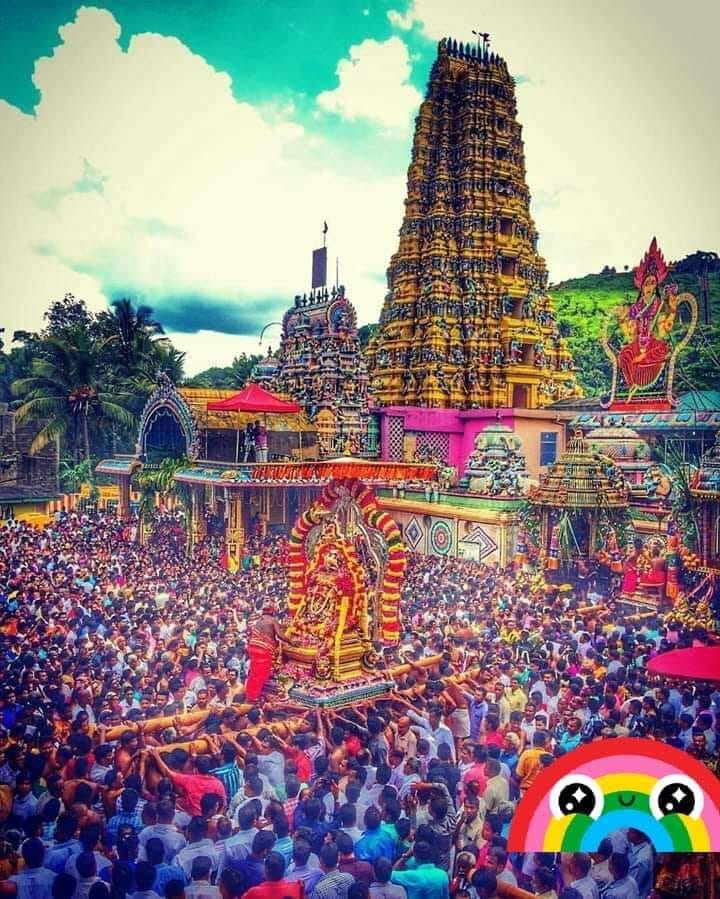
In the vibrant tapestry of Sri Lanka’s cultural heritage, the Mathale Theru Festival stands out as a beacon of tradition and community spirit. Rooted in the heart of the island nation, this annual celebration is a spectacle of colors, music, and religious fervor. Let’s delve into the rich tapestry of the Mathale Theru Festival and explore the significance it holds for the people of Sri Lanka.
A Glimpse into History:
The Mathale Theru Festival, also known as the Mathale Esala Perahera, traces its origins back centuries, intertwining with the island’s complex history and diverse religious influences. Held in the historic city of Kandy, the festival pays homage to the sacred tooth relic of Lord Buddha, housed in the revered Temple of the Tooth (Sri Dalada Maligawa).
The Festival Unveiled:
At the heart of the Mathale Theru Festival is the grand procession, a dazzling spectacle that captivates both locals and visitors alike. The procession features ornately adorned elephants, bedecked in vibrant attire, carrying the sacred relic through the streets of Kandy. Accompanying the majestic pachyderms are traditional dancers, drummers, and musicians, adding a symphony of sights and sounds to the procession.
Symbolism and Tradition:
Beyond its aesthetic allure, the Mathale Theru Festival is steeped in symbolism and tradition. The procession symbolizes the reverence and devotion of the Sri Lankan people towards the Buddhist faith, as well as their collective cultural identity. Each element of the procession, from the meticulously crafted costumes to the rhythmic beats of the drums, carries profound significance, reflecting a harmonious blend of spirituality and cultural heritage.
Community Spirit and Unity:
One of the most remarkable aspects of the Mathale Theru Festival is its ability to foster a sense of unity and camaraderie among people from all walks of life. As the procession winds its way through the streets, crowds gather to pay their respects, transcending barriers of caste, creed, and ethnicity. It’s a testament to the enduring power of culture to bring people together, fostering bonds of solidarity and mutual respect.
Preserving Tradition in a Modern World:
In an era marked by rapid globalization and technological advancement, the Mathale Theru Festival serves as a poignant reminder of the importance of preserving cultural heritage. Amidst the fast-paced currents of change, events like the Mathale Theru Festival provide a anchor to the past, connecting future generations with their roots and traditions.
Hindu Connection:
While the Mathale Theru Festival predominantly revolves around Buddhist traditions, it also holds significance for the Hindu community in Sri Lanka. The festival is celebrated during the month of Esala, which coincides with the Hindu month of Aadi, a period considered auspicious for worship and religious observances by Hindus.
Moreover, the procession of the Mathale Theru Festival echoes elements found in Hindu religious festivals, particularly the grand processions (known as “ther”) associated with Hindu temples. These processions often feature elaborately decorated chariots carrying representations of deities, accompanied by music, dance, and fervent devotional offerings. In this sense, the Mathale Theru Festival represents a cultural confluence, where Hindu and Buddhist traditions intersect, reflecting the diverse tapestry of Sri Lankan society.
Additionally, the city of Kandy, where the Mathale Theru Festival takes place, is home to significant Hindu temples alongside the Temple of the Tooth. These temples, such as the Natha Devale and the Vishnu Devalaya, are integral to the religious landscape of Kandy and play a role in the cultural fabric of the city.
While the Mathale Theru Festival primarily honors the sacred tooth relic of Lord Buddha, its observance during a time of religious significance for Hindus underscores the inclusive nature of Sri Lankan culture, where people of different faiths come together to celebrate shared traditions and values. Thus, the festival serves as a testament to the harmonious coexistence of diverse religious beliefs and practices in Sri Lanka, fostering a spirit of unity and mutual respect among its people.
Conclusion:
The Mathale Theru Festival is more than just a religious procession; it’s a living embodiment of Sri Lanka’s rich cultural tapestry, woven together by centuries of tradition and devotion. As the elephants tread softly through the streets of Kandy, carrying with them the sacred relic of Lord Buddha, they carry with them the hopes, dreams, and aspirations of a nation united in reverence and celebration. So, if you ever find yourself in Sri Lanka during the month of Esala, be sure to witness the spectacle of the Mathale Theru Festival – a testament to the enduring spirit of tradition and community.
 TIKI TAKA
Leave a comment